Critical Infrastructure stories
Data theft is now driving ransom demands, with average payments rising and attackers increasingly targeting senior staff at exposed companies.
Most UK organisations would struggle to meet a proposed 24-hour cyber incident reporting rule, Cisco research suggests.
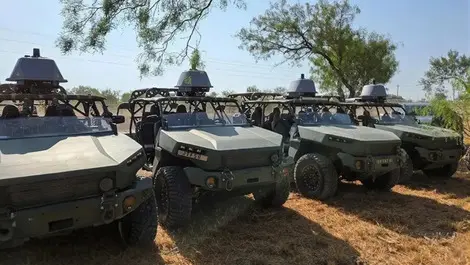
The three-year deal gives the Australian-listed company a route to US defence orders as concern over small drones near bases intensifies.
Businesses may have only a few years to replace ageing encryption before quantum computers make current security methods vulnerable.
Dozens of organisations worldwide face renewed compromise risk after attackers used an encoded path to slip past defences and hit Oracle PeopleSoft.
Attackers turned a newly disclosed Gitea flaw into automated intrusions within days, hitting systems in five countries and exposing source code and secrets.
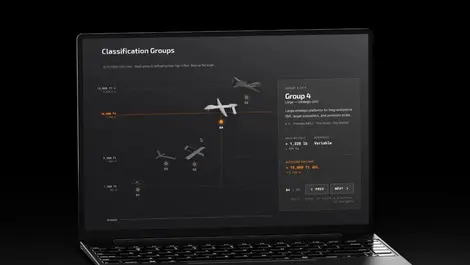
Customers will get ongoing software updates, training and support as DroneShield shifts its counter-drone products to a recurring service model.
The update gives security teams a clearer way to map keys, certificates and secrets as regulators push harder on software component visibility.
Australia's cyber jobs shortage is pushing employers to judge practical performance and incident readiness more than certificates and titles alone.
The ranking may bolster Kinetic IT's bid for government contracts as agencies seek suppliers with local delivery, governance and security controls.
The gathering underscored rising demand for integrated security as Queensland and Papua New Guinea organisations reassess risk and infrastructure protection.
The Halifax startup will use the new capital to finish a proof of concept that aims to turn existing camera networks into AI security tools.
The Chapelhall campus expansion is now part of Scotland's row over AI data centres, with a parliament debate on a possible moratorium looming.
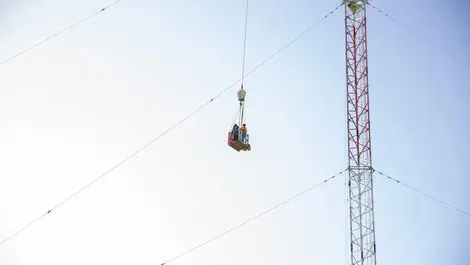
Auckland's emergency AM radio coverage now rests on a single 110-metre mast, after RNZ replaced two ageing Henderson towers without disrupting service.
Funding gaps leave Kaikōura's flood recovery reliant on regional rates, after the council's bid for Government help was knocked back.
A major coordinated attack on UK battery storage could cost the grid GBP £2 billion to GBP £10 billion within five years, Centrii says.
Australian utilities face sharper scrutiny as cyber incidents and supplier failures threaten outages, compliance breaches and market stability.
Queensland's road network stands to gain from A$9 billion in works aimed at easing freight delays, crash risks and flood disruption.
The Perth expansion puts Optic Security closer to large maintenance contracts in Western Australia, where demand is rising across key sectors.
Flood protection for Ōmāhu is being strengthened after Gabrielle exposed gaps in the defences, with work due to finish by Christmas.