Cyber-physical systems (CPS) stories
Connected factory networks are widening the attack surface, with SonicWall warning that old flaws and weak access controls can expose production systems.
Most manufacturers are still testing physical AI, even as they expect it to reshape warehouses, assembly lines and logistics operations.
AI-driven vulnerability hunting for power, water and transport systems is set to expand as Nozomi brings OT expertise to Anthropic's initiative.
Businesses and emergency services faced outages nationwide as a Telstra mobile failure exposed the risks of Australia's concentrated carrier market.
The endorsement may help Tenable win buyers as security teams weigh AI risks alongside cloud, identity and container exposures.
The expanded programme gives industrial operators tighter control over machine communications to contain breaches across critical environments.
The attack underscores how older broadcast equipment can be used to sow confusion and erode trust in Israel's civil defence systems during wartime.
Carmakers face tougher proof requirements as software-heavy vehicles multiply vulnerabilities across suppliers, apps and cloud systems.
Analysts at critical infrastructure sites can now use a specialised AI tool that keeps data in-house and speeds OT threat response.
The move aims to speed up software-defined operations for banks, carmakers and manufacturers as AI takes a bigger role in engineering.
Pilot trials suggest the setup could cut factory energy use by 10% and lift assembly-line productivity by 12%.
Customers gain broader visibility over unmanaged devices as Dragos adds Phosphorus software to its OT security platform.
It targets operators where outages can threaten safety and continuity, as industrial and healthcare environments face faster-moving AI-driven attacks.
Critical infrastructure operators could gain broader visibility as Dragos adds Phosphorus tools for managing exposed connected devices across OT networks.
Infrastructure operators face rising cyber risk as Claroty rolls out Claire, an AI agent that maps assets and flags compliance gaps.
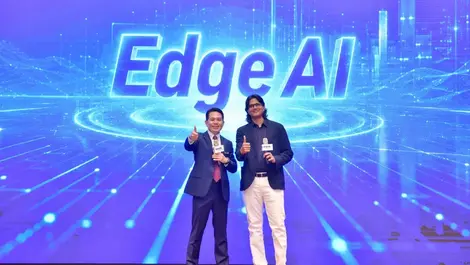
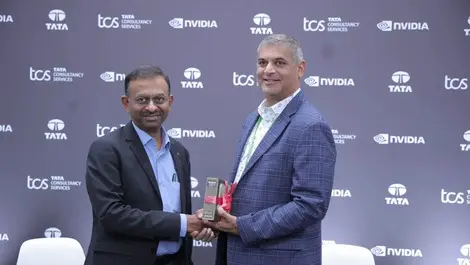
Manufacturers and transport firms will be able to test AI systems in Bengaluru before deployment, cutting risk in live industrial operations.
Industrial operators can now test cyber exposures without touching live systems, helping prioritise fixes that could prevent costly downtime.
The system could help crews diagnose and treat illness during deep-space missions when contact with Earth is delayed or cut off.
Cooling and power systems in data centres could be exposed to remote takeover, threatening uptime as AI workloads drive reliance on critical infrastructure.
More than 3,000 transport leaders will gather in Detroit next year as the programme expands to cover cybersecurity, AI and autonomous shuttles.