Identity verification stories
Merchants expanding into new markets can now add fraud checks through Yuno's existing payments infrastructure, avoiding a separate integration.
Banks are using payment cards as trust anchors to link onboarding, wallet enrolment and fraud checks without adding more customer friction.
Banks and insurers face rising losses as deepfake fraud is now estimated at USD $40 billion a year, with voice cloning fuelling most cases.
The deal should help enterprise customers improve message delivery and cut fraud risk as the pair expand across APAC markets.
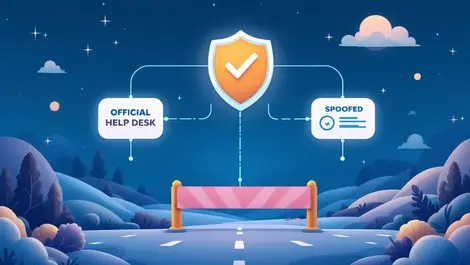
The new directory aims to stop AI assistants from routing users to spoofed help desks by verifying brands' official support channels first.
Poorly designed checks can block genuine customers or let fraudsters through, so leaders need a risk-based verification flow that preserves conversion.
Banks and card networks may need new checks as software agents start buying on customers' behalf, blurring fraud and consent.
Users in more than 75 countries can now approve AI-made purchases without handing assistants ongoing access to funds or card details.
The pilot aims to let shopping bots prove user eligibility for discounts and benefits while keeping personal data hidden from merchants.
The enlarged group now serves more than 300 enterprise customers and processes over 110 billion digital interactions a year across four regions.
Banks in the Americas are set to get faster fraud checks as the tie-up targets instant payment scams and card-not-present losses.
The launch gives travel and fintech brands a faster route into mobile services, with software that avoids building telecom systems from scratch.
Banks are backing a framework that could give vulnerable customers help with everyday payments without handing over full legal control.
Verified profiles and richer message formats could help banks and credit unions curb impersonation scams as RCS reaches more US phones.
AI-generated phishing is making employee vigilance less reliable, pushing organisations towards passkeys and phishing-resistant multi-factor authentication.
Selected Queensland customers can now verify their identity at NAB branches by sharing a mobile driver licence, cutting manual checks and document handling.
Online platforms in Australia will have a simpler way to meet tighter age-check rules without collecting extra personal data from users.
Despite leading on passkeys and MFA, Indian firms still face widespread AI phishing and deepfake scams that are undermining daily security practice.
Australian firms remain exposed as 43% reported AI-driven phishing attacks in the past year, while many staff still log in with passwords.
Customer service teams may face higher volumes as the standard lets personal AI agents sign in, verify users and act for them.