Japan stories
Asia-Pacific businesses are likely to use several stablecoins in one payment flow, as cross-border transactions still face slow settlement and fragmentation.
Rising attacks on connected factories are pushing regulators to require proof of security from shipment through service, Rockwell says.
Businesses in the US and EMEA can now tap 24/7 AI-led cyber monitoring as KDDI aims to ease compliance pressure and response delays.
Existing owners can expand the game with new story content and a roguelite mode for NZD $23.95, while newcomers pay NZD $139.95 for the full package.
Importers in nine Asia Pacific markets can now clear shipments and pay duties and taxes in one place as border delays intensify.
The pilot aims to help retailers turn sales and customer data into faster decisions on stock, layouts and planning, Fujitsu said.
That caution could slow adoption, as 46% of middle managers want a human involved in security-sensitive AI decisions, versus 24% of executives.
The Gulf carrier led 178 airlines again as Vuelopedia's latest quarterly table rewarded punctuality, product quality and network strength.
Users will gain faster access to country risk insight as AlphaSense folds EIU forecasts and geopolitical analysis into its research platform.
Higher construction costs and sharp price resets are luring private capital into office and other assets, with some deals below replacement cost.
Geopolitical risks are prompting chipmakers to spread production across Asia Pacific, with 35% planning expansion into new regional markets.
The promotion hands a decade-long Agoda veteran control of brand and performance marketing as the travel platform leans further into AI and local campaigns.
Australian enterprises have emerged as the region's most mature AI users, with 42% already at full-scale deployment, according to Infor research.
The accreditation gives government and regulated buyers independent assurance that the VSP One Block platform has met recognised security requirements.
Researchers say the phishing campaign could expose sensitive thinking on AI regulation, export controls and supply chains in Washington.
The Freemans Bay site gives customers hands-on access to Epson's range as the company seeks to deepen its business footprint in New Zealand.
AI-generated phishing is making employee vigilance less reliable, pushing organisations towards passkeys and phishing-resistant multi-factor authentication.
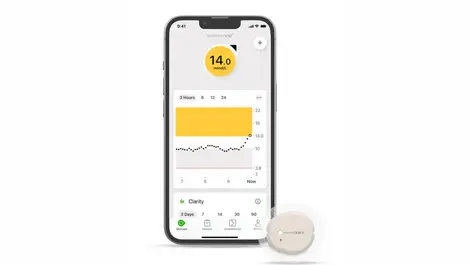
People with type 2 diabetes on intensive insulin therapy could gain months of life and cut later healthcare costs if wider monitoring is funded.
Almost all staff want human oversight after a survey found AI mistakes at work have already triggered customer service, operational and reputational damage.
Despite leading on passkeys and MFA, Indian firms still face widespread AI phishing and deepfake scams that are undermining daily security practice.