

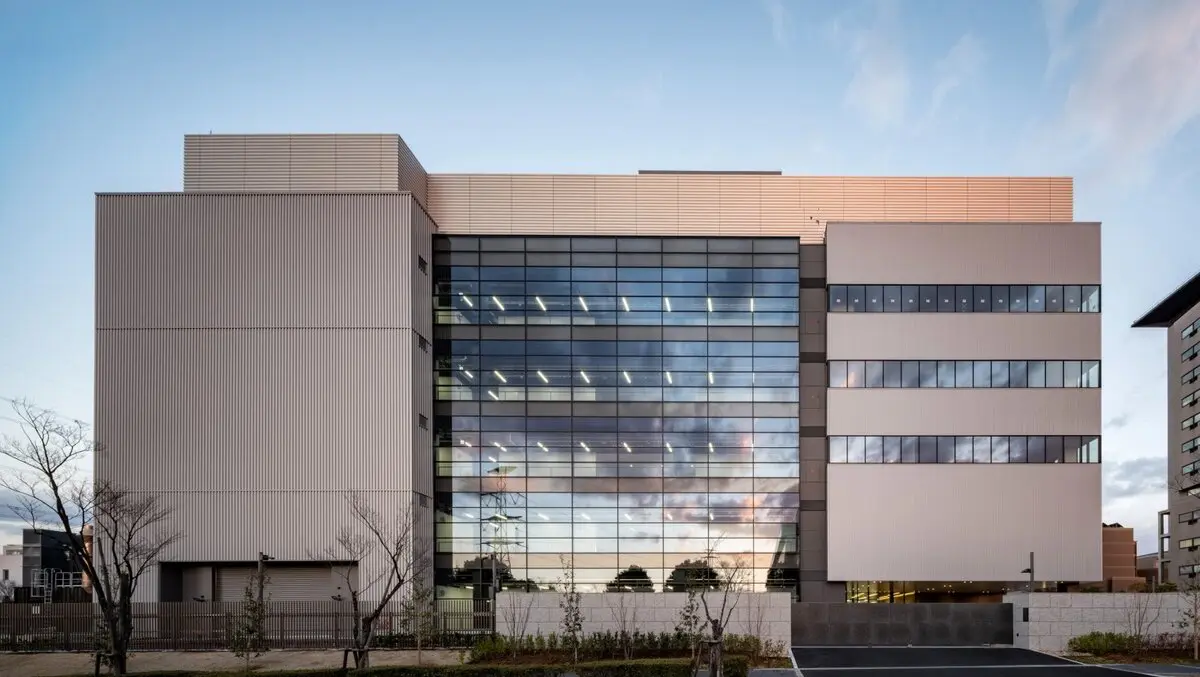
CapitaLand buys Japan's largest data centre in Osaka
Tue, 12th May 2026 (Yesterday)
JLL has advised on the sale of a 40.5MW data centre in Osaka for ¥156 billion, described as Japan's largest single-asset data centre transaction.
An international investor sold the Tier III hyperscale facility in Greater Osaka on a 100% consideration basis. Singapore-based CapitaLand Ascendas REIT acquired the asset, with the remaining interest held by a fund managed by a Japanese institutional investor.
The transaction values the site at about USD $1 billion and comes as investors sharpen their focus on Japan's digital infrastructure market. Alongside Tokyo, Osaka has emerged as a key destination as operators and investors seek large sites with established fibre links and reliable power supply.
Real estate advisers and investors increasingly view Japan as one of Asia Pacific's most active data centre markets. The country combines a large domestic economy with heavy internet usage, while demand from cloud computing and artificial intelligence is adding pressure for more capacity.
JLL's analysis ranks Japan as the second-largest data centre market among developed countries after the United States. It estimated market revenue at USD $23.4 billion in 2024 and projected average annual growth of 6.7% between 2025 and 2030, taking the market to USD $33.4 billion by the end of that period.
The Osaka sale also signals a shift in the market, with operational assets changing hands between investors rather than being financed and built only by developers and operators. That is notable because data centres in Japan have typically been tightly held, with relatively few large, stabilised facilities offered for sale.
Market shift
Institutional capital has been moving more actively into the sector as investors seek long-term income backed by digital demand. In Japan, that trend has been supported by low power outage rates, extensive fibre infrastructure and the country's role as a connectivity link between North America and Asia Pacific.
Those factors have helped make Osaka a key market for hyperscale development. While Tokyo remains Japan's largest data centre cluster, Osaka has gained traction as a secondary hub, offering access to major users and network routes as well as diversification for operators that do not want all capacity concentrated in one metropolitan area.
Ryuta Takeuchi, Head of Japan capital markets at JLL, linked the size of the transaction to broad investor appetite for the country. "Japan is one of the most highly sought data center markets globally given its established economy, world-class energy infrastructure and supportive digital demographics. Osaka is a natural entry point for investors and JLL were unrivalled in its position assist our client, the seller," Takeuchi said.
JLL's regional data centre capital markets team said the sale reflected a deeper pool of capital targeting the sector. That has become more visible as large real estate investment trusts, infrastructure investors and institutional funds compete for assets with tenants, operating history and access to power.
Luke Jackson, Co-head of data center capital markets, Asia Pacific, at JLL, said the market was entering a new phase for transactions. "We're witnessing a surge of interest in marquee institutional investors actively looking to enter the Japanese and Asia Pacific data center market. The Japanese data center market is at the forefront of the much-anticipated 'capital recycling phase' of stabilised, operational data center assets. This transaction highlights the surge in liquidity at this juncture for high-quality data center investment product. Congratulations to all parties involved in this sale," Jackson said.
AI demand
The backdrop to the Osaka transaction is a global expansion in data centre investment as artificial intelligence workloads require more computing power and electricity. Across major markets, investors are weighing where land, grid access and fibre availability can support new facilities, while also seeking existing assets that can generate income immediately.
JLL estimates global data centre capacity will need to expand significantly by 2030 to meet rising demand from hyperscale operators, enterprise users and new technologies. It expects AI workloads to account for 50% of total capacity by 2030, up from 25% in 2025, and estimates roughly USD $3 trillion in investment will be needed by the end of the decade.
In Japan, that demand is being shaped by both domestic and international factors. Increased internet traffic, broader use of AI tools and Japan's role in regional connectivity are all driving higher demand for digital infrastructure, while political stability and a skilled workforce remain important considerations for international capital.
The Osaka asset sale stands out because it brings those themes together in a single transaction: a large operational facility, a cross-border buyer and a market where investors are increasingly willing to pay for scale. At ¥156 billion, it sets a benchmark for what buyers may be prepared to spend on scarce data centre assets in Japan.