Telemedicine stories
StarHub launches LifeHub+, a one-stop platform integrated into its app offering comprehensive health and wellness services, enhancing access to healthcare in Singapore.
TrueConf, a global leader in video collaboration technologies, has been commended as a High Performer in the G2 Grid Report for Video Conferencing in 2024, highlighting its substantial impact and customer satisfaction.
IWD 2024 underscores the critical role of technology in accelerating women's progress, through enhanced access to education, healthcare, economic empowerment and leadership opportunities.
A revolutionary AI application uses sound data to detect laryngeal cancer with 80% accuracy, marking a breakthrough in cancer diagnosis tech.
The report highlights Cognizant's partnerships, acquisitions and talent investment as keys to delivering expertise, offerings, and success for clients.
Decades of research have led to rapid progress in AI. Google has announced three new ways people are poised to benefit.
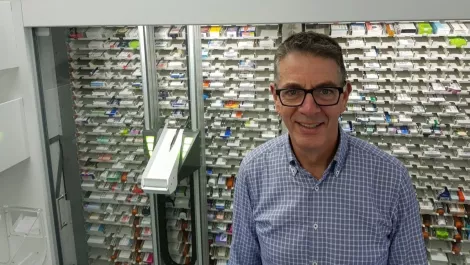
A new health app by Zoom Pharmacy will help over 200,000 New Zealanders with diabetes adhere to their medication, with trials in Counties Manukau and Auckland.
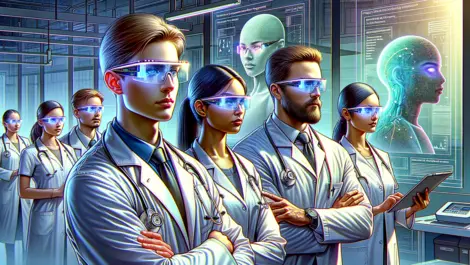
Essex-based company Provide Community successfully adopts RealWear's Navigator 500 smart glasses, enhancing service provision and learning experiences for its podiatry team.
HealthShare has launched the country's first pre-consultation tool, BetterConsult, innovating traditional medical appointments by reducing GP admin.
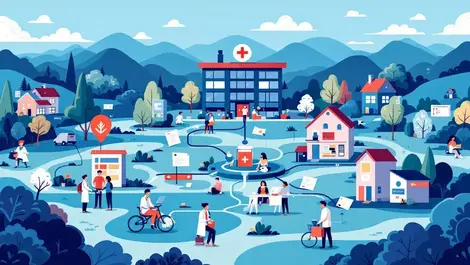
Patients could see faster, fairer care if the overhaul works, but experts warn its success will hinge on funding, delivery and local buy-in.
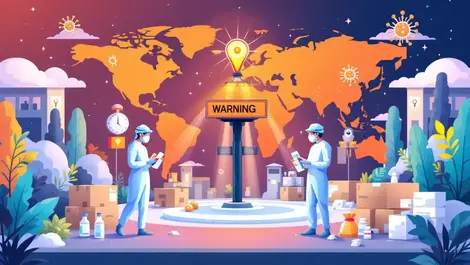
Experts say missed warnings, weak global co-ordination and patchy vaccine logistics left the world exposed to COVID-19 and another outbreak.
Remote work, home schooling and digital healthcare could outlast the pandemic, reshaping cities, travel and emissions for years to come.
Researchers say the technology could triage disaster victims and monitor patients remotely, without touching them, in seconds.
By 2030, New Zealanders may ditch textbooks and landlines as digital tools reshape schools, homes and the way services are delivered.
The report warns that just 27% of firms assess health risks in high-risk regions, leaving mobile employees exposed to avoidable threats.
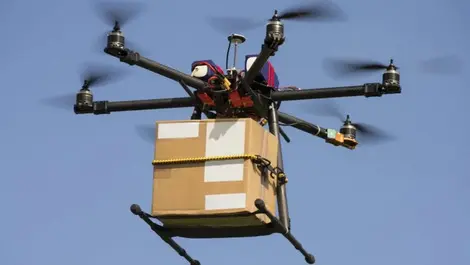
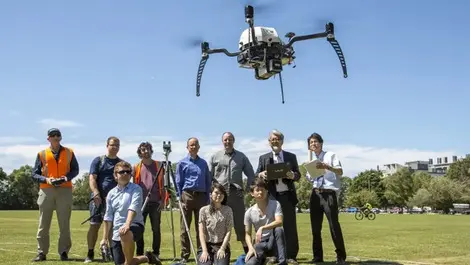
The technology could help rescuers triage casualties remotely, after UniSA scientists showed drones can read heart and breathing rates from three metres away.
Online insomnia therapy cut depression, anxiety and psychotic-like symptoms in a 3,755-person trial, with sleep gains driving much of the benefit.
More than 200,000 New Zealanders with emphysema could get earlier diagnosis and specialist advice through the Australian site, doctors say.
Apps could help curb rising stroke rates by nudging younger adults to tackle diabetes, obesity and other modifiable risks.
Following earthquakes and tsunamis, the drones could help rescue teams find trapped survivors faster and gather vital health data from body sensors.