


Indosat Ooredoo Hutchison reported double-digit growth in mobile data traffic across Indonesia during the recent year-end holiday period, underscoring continued expansion in digital usage beyond major cities.
The operator said national data traffic between 21 December 2025 and 1 January 2026 rose by around 15% compared with regular days. Traffic increased by more than 20% against the same holiday period a year earlier.
The surge followed a broader increase in data consumption throughout 2025. Indosat attributed the trend to rising digital activity in consumer and business use across the country.
The company said its network handled the holiday spike without major disruption. It cited a nationwide footprint across thousands of locations and ongoing upgrades of mobile infrastructure.
Holiday demand
Indosat has focused recent investment on areas where holiday travel and tourism typically drive short-term spikes in demand. That includes remote destinations and secondary cities that have seen more intensive use of streaming, messaging and gaming services.
The operator said its Digital Intelligence Operations Centre, or DIOC, supported network management during the period. DIOC uses artificial intelligence for real-time monitoring of network performance.
The company said this set-up allowed its technical teams to track traffic changes and adjust network parameters in regions with heavier loads. It said this approach contributed to continuity of service for customers during peak usage.
Desmond Cheung, Director and Chief Technology Officer at Indosat Ooredoo Hutchison, linked the figures to wider shifts in how Indonesians connect and consume services online.
"Data traffic growth is not merely a technical indicator, but a tangible reflection of Indonesia's digital economic progress. Usage surges are no longer limited to major cities, but are also occurring in tourist destinations, emerging economic centers, and areas that previously experienced limited digital activity. This demonstrates that Indosat's impact is expanding and reaching more communities. With AI-powered technology at DIOC, our technical teams can respond more swiftly to potential disruptions, ensuring IM3, Tri, and HiFi customers continue to enjoy reliable connectivity wherever they are," said Cheung.
Regional hotspots
Indosat reported the fastest traffic increases in several clusters of cities and regencies. In the Greater Jakarta area, Bogor, Sukabumi and Tangerang recorded the highest growth. Across Java, the main spikes came in Garut, Bandung and Klaten.
In Bali and Nusa Tenggara, the company highlighted Bandung, Denpasar City and Tabanan as key growth locations. In Sumatra, South Lampung, Central Lampung and Banyuasin saw the largest jumps in data use.
In Kalimantan and Sulawesi, Indosat pointed to East Kotawaringin, West Kotawaringin, Sanggau, Gowa, Maros and Bulukumba as areas with strong holiday traffic growth. These locations cover a mix of tourism, logistics and regional trade hubs.
The period also saw rising use of major social and content platforms. TikTok, WhatsApp, Instagram, Facebook and YouTube recorded the highest usage growth on Indosat's network.
Indosat said the holiday performance drew on a national grid of more than 208,000 4G base stations and 1,404 5G base stations. The company increased its 4G sites by 7.7% year-on-year, which extended coverage in several underserved districts.
Post-disaster recovery
The operator also provided an update on its efforts in disaster-affected regions, particularly Aceh and parts of Sumatra. It said connectivity has remained a critical element of relief logistics and community coordination during the recovery phase.
Indosat reported that restoration of its network in Aceh Province has reached 97.5%. The company said it is prioritising areas where communications links support access to public services, health facilities and evacuation centres.
The firm said its response in Aceh and other impacted zones had run from the initial emergency through to the current recovery stage. It said this has included physical repairs, power supply stabilisation and the reactivation of damaged transmission routes.
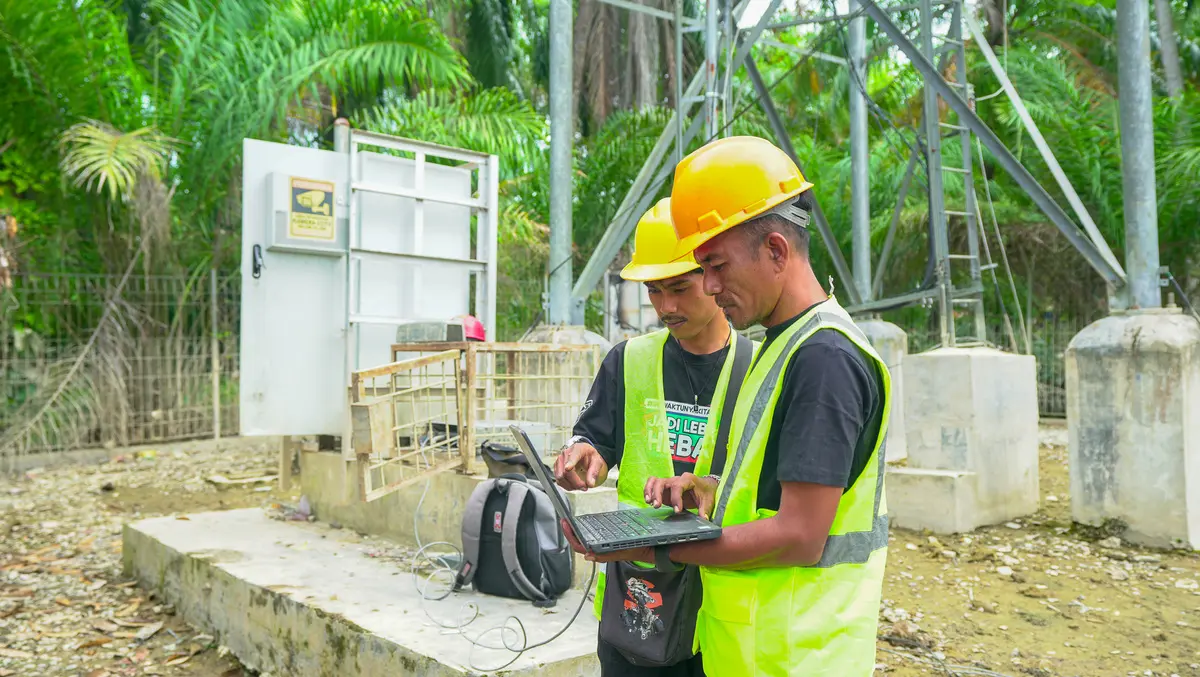
Indosat has deployed additional technical personnel in the affected regions. This includes staff from its own workforce and from partners within what it describes as the Indosat ecosystem.
The operator said it is coordinating with the Ministry of Communications and Digital Affairs, the Indonesian National Board for Disaster Management, and local governments. Officials have worked with the company on priority fuel allocations and access to areas that were previously cut off by infrastructure damage.
Indosat has also stationed standby teams at airports, bus terminals, railway stations, hospitals and evacuation sites. It is running centralised command centres in Jakarta, Medan and Aceh, which oversee field support and network stability as traffic patterns continue to change in early 2026.
The company said it plans further network optimisation in high-growth regions and continued repair work in disaster-affected areas as data consumption in Indonesia keeps rising.