

Singapore Airlines to launch upgraded KrisWorld & Starlink
Mon, 9th Nov 2026 (Today)
Singapore Airlines will introduce a next-generation KrisWorld in-flight entertainment system and high-speed connectivity on selected aircraft, beginning with retrofitted Airbus A350s and new Boeing 777-9 jets.
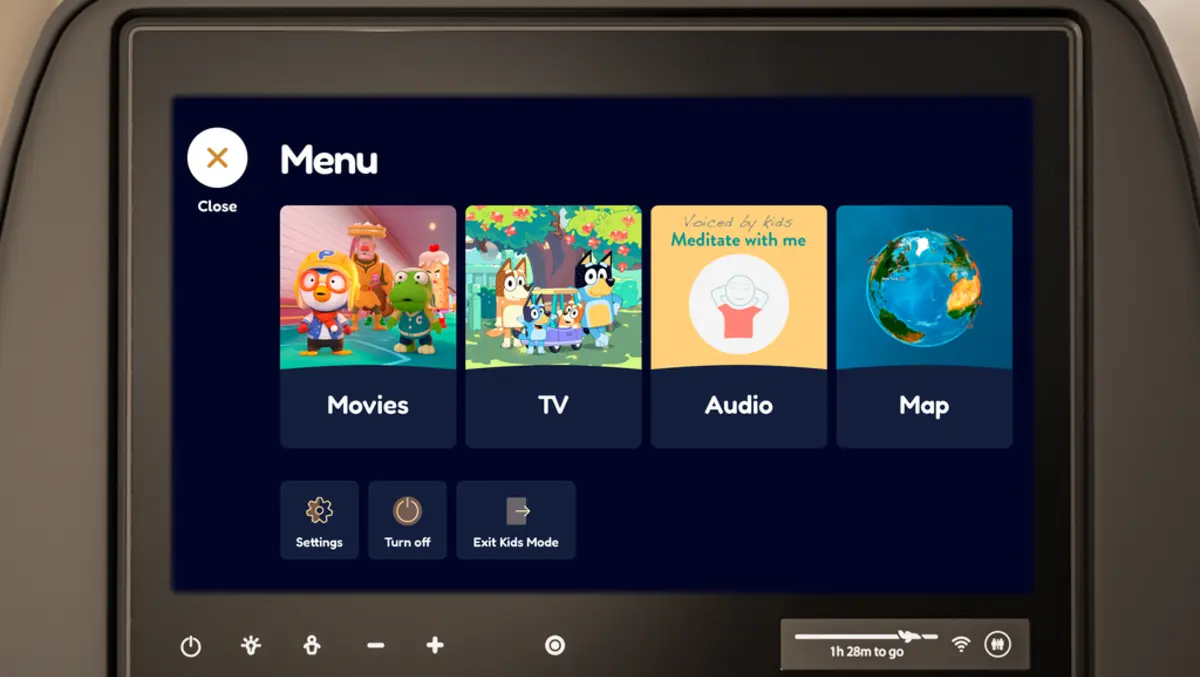
The updated KrisWorld will combine 4K touchscreen displays, including OLED screens on selected aircraft and in some cabin classes, with spatial audio, active noise-cancelling headphones and Bluetooth pairing for passengers who want to use their own headsets.
A redesigned interface will also feature enhanced search and filtering tools, a mini-player, shortcuts to preferred content categories and personalisation features designed to make browsing easier during flights.
The library will include more than 2,500 entertainment options across films, television shows, music and podcasts, with content curated and refreshed each month.
Connectivity plans
High-speed connectivity will sit alongside the entertainment platform on Starlink-enabled aircraft, supporting video streaming, social media, gaming and work on passengers' personal devices in the air.
The Starlink rollout will cover Airbus A380s as well as Airbus A350-900 long-haul and A350-900 ultra-long-range aircraft, with the introduction taking place progressively from early 2027.
Next-generation KrisWorld will also be fitted on 41 retrofitted Airbus A350-900 long-haul and A350-900 ultra-long-range aircraft entering service progressively from 2027, in addition to the forthcoming Boeing 777-9 fleet. Features will vary by aircraft type and cabin class.
Passenger focus
The updated offer includes a new wellness planner with sleep and meditation tracks, breathing exercises and in-seat stretches, giving passengers more options to manage rest and comfort during long journeys.
In comments accompanying the announcement, the carrier linked the changes to passenger demand for greater flexibility in how time is spent on board, including easier movement between entertainment and online activity.
"Our customers told us that they wanted more choice and flexibility in how they spend their time on board, as well as entertainment and connectivity that fit more naturally into their journey. This guided the development of SIA's next-generation KrisWorld and connectivity offering, which make it easier to discover and enjoy content, stay in touch with loved ones, and move seamlessly between entertainment and other activities during the flight," said Yeoh Phee Teik, Senior Vice President Customer Experience, Singapore Airlines.
The move forms part of a wider update to the airline's long-haul offering. The broader programme also includes next-generation cabin products, refreshed dining options, new amenities across all cabin classes and changes to ground services.
In-flight entertainment and onboard internet access have become an increasingly competitive area for long-haul carriers as airlines seek to meet passenger expectations shaped by home streaming services and always-on mobile connectivity. Screen quality, content discovery and reliable broadband access are now a bigger part of how airlines differentiate premium and ultra-long-haul travel.
For Singapore Airlines, the changes are focused on aircraft used for longer sectors, where passengers are more likely to spend extended periods using seatback screens, personal devices or both. The addition of Bluetooth pairing and active noise-cancelling headphones also reflects a wider shift across the sector towards giving travellers more control over how they consume content on board.
The planned installation on Airbus A350 long-haul and ultra-long-range aircraft is particularly relevant because those jets operate some of the airline's longest services. On such flights, entertainment variety, rest-related content and dependable connectivity can have a greater effect on the overall passenger experience than on shorter routes.
By combining upgraded hardware, a revised user interface and onboard internet access, the airline is reshaping a product area that has traditionally been treated separately from connectivity. The approach suggests a stronger emphasis on letting passengers switch between seatback entertainment and activity on their own devices during the same journey.